Beef Price Blame Game Misses the Supply Fundamentals
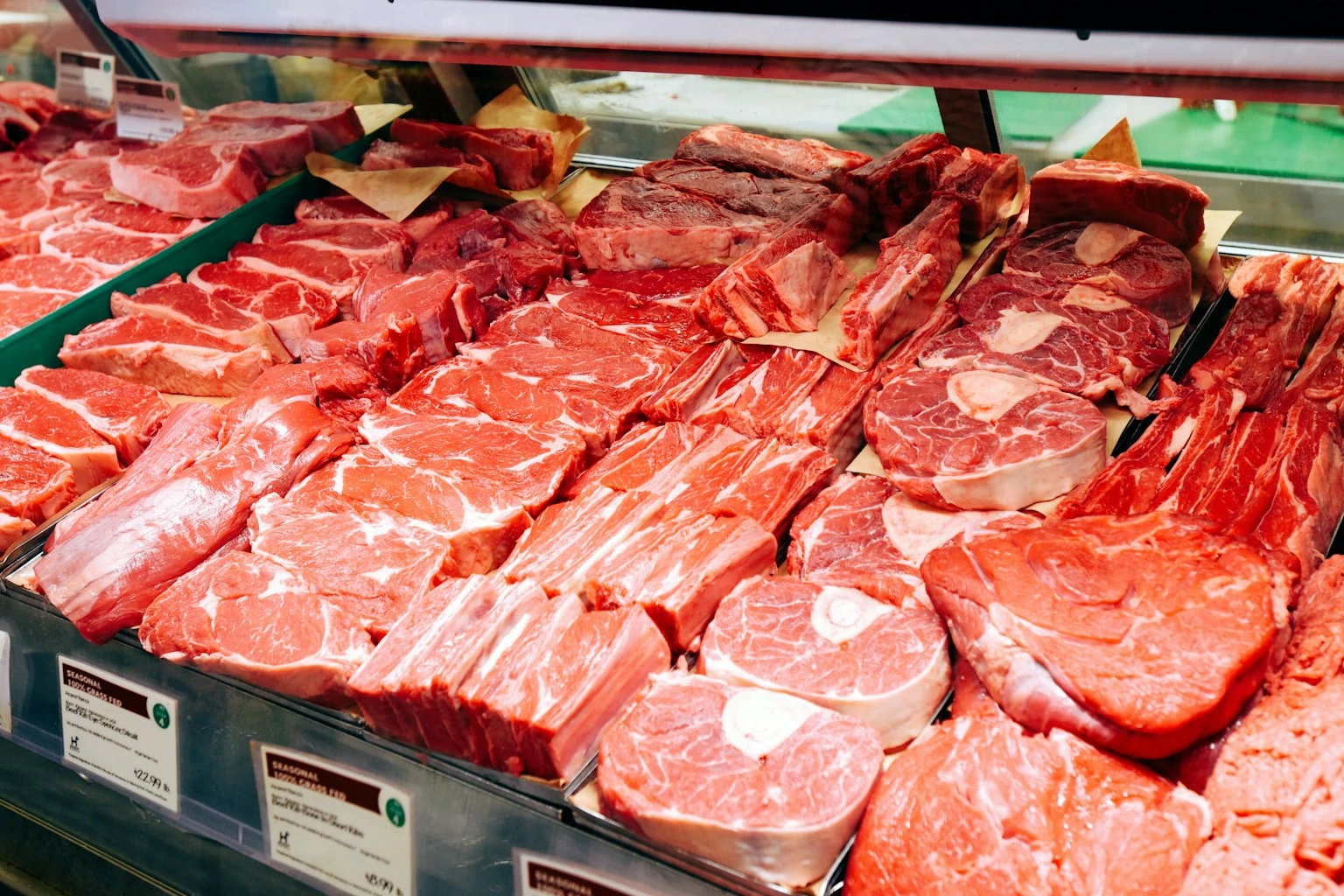
A YouTube segment this week flags rising beef prices as a consumer pain point heading into midterm season—but the political framing obscures what’s actually driving the market. Yes, retail beef is more expensive. No, it’s not primarily about corporate greed or policy failure. It’s about cyclical herd dynamics that began years before any politician took office, and those fundamentals aren’t reversing on an election-year timeline.
The Herd Liquidation Nobody Wants to Talk About
The biological reality of beef production doesn’t fit neatly into election cycles. When cow-calf operators cull breeding stock in response to economic or environmental stress, the supply impact shows up months or years downstream—not immediately. Blaming the White House or Congress for a drought-driven or cost-driven supply squeeze is like blaming them for the weather—it’s convenient spin, but it doesn’t address the structural issue.
What’s worse: if the industry does attempt to rebuild breeding inventory, the timeline is inherently long. Industry analysts point out that retained heifers need to be bred, carry calves to term, and those calves need to reach slaughter weight—a multi-year process under the best conditions. Any campaign promise of near-term price relief is either uninformed or dishonest. The beef complex doesn’t respond to midterm cycles.
Restaurants Are the Canary in the Coal Mine
Foodservice operators are caught in the vise—menu prices can only rise so fast before check averages drive traffic elsewhere, but beef input costs aren’t negotiable when the commodity market sets the floor. Operators looking to protect margins have options: trim portion sizes, feature more chicken and pork, or redesign menus around lower-cost cuts. Whether that shift becomes temporary or permanent depends on how long elevated beef prices last and whether consumer habits reset in the interim.
The danger for the beef industry isn’t just near-term demand destruction—it’s habit formation. If a generation of diners gets comfortable with plant-based or poultry-centric menus because beef priced itself out of their rotation, regaining that share when supplies eventually recover becomes a steep marketing climb. Beef’s premium positioning only holds if the premium feels justified, and right now it feels punitive to a lot of households.
What Procurement Pros Should Be Doing Right Now
If you’re sourcing for retail or foodservice, this is not the environment to wait for a break. Forward contracting and relationship-based supply chains matter more than spot-market opportunism when supply fundamentals are tight. Lock in what volume you can at known margins, even if the sticker looks painful—because uncertainty around future availability argues for securing commitments now rather than hoping for relief later.
For ranchers, the calculus is equally hard: retain heifers to rebuild, or take the short-term cash from selling into a strong feeder market? The financially prudent answer depends entirely on your balance sheet and risk tolerance, but the industry-level question remains—how quickly can the sector stabilize supplies if cow-calf operators continue to prioritize liquidity over retention? That requires either improved margins to justify holding back breeding stock, or policy support that doesn’t penalize long-cycle investment. Neither is guaranteed.
The Takeaway
Beef prices are high because the supply side is under pressure, and that pressure stems from economic and environmental stress that no election will retroactively fix. Voters might punish incumbents over grocery bills, but the next administration—regardless of party—will inherit the same biological timeline. The smarter conversation isn’t about blame; it’s about what policies actually support herd rebuilding and what demand strategies keep beef relevant when it’s expensive. Anything else is just campaign noise.
Read the pillar
Consumer Beef Education