Charcuterie’s Rise Signals Beef’s Meal-Occasion Problem
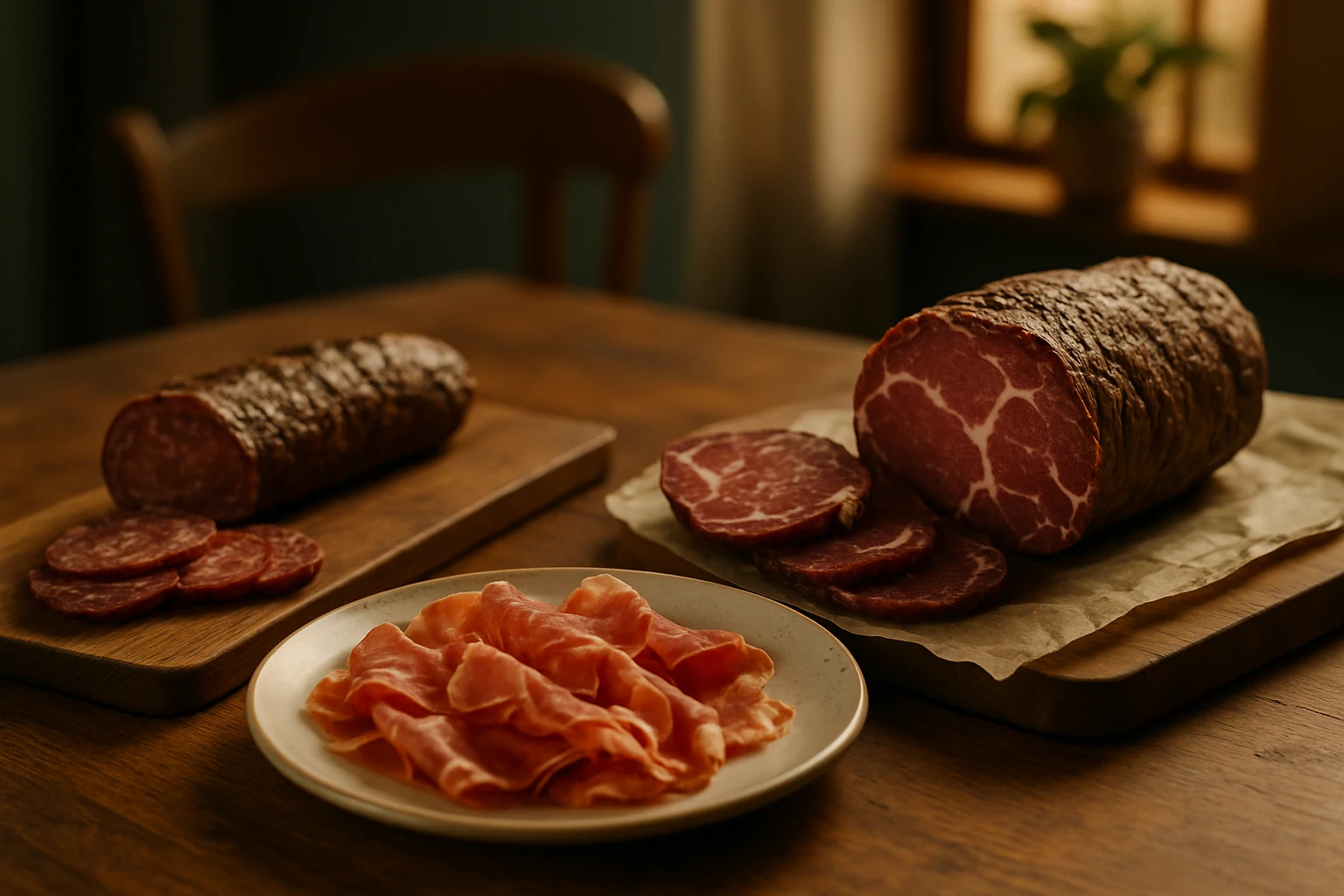
A Meat+Poultry report notes that “consumer eating habits continue changing during pandemic” — and the implication for beef producers is what happens when grazing boards edge out traditional centerpiece dinners. If meal occasions are shifting faster than our product mix, beef’s absence from the charcuterie set is a strategic vulnerability worth examining.
The Meal-Occasion Gap
Charcuterie offers no-cook convenience, shareable formats, and the perception of premium quality without requiring a recipe or a grill. Beef’s traditional strength has been the centerpiece dinner — the grilled ribeye, the Sunday roast, the backyard burger. Those occasions still exist, but if changing eating habits mean more assembly meals and grazing-style dinners, the challenge for domestic beef is whether the product forms we’re bringing to market match where consumers are headed.
The question is whether value-added development has kept pace. Shelf-stable, no-prep, shareable formats that don’t require marinade time or temperature management occupy a different retail lane than raw cuts. When a consumer can assemble a board in minutes and feel like they’ve entertained, a raw cut that demands planning starts to feel like friction.
Beef Has the Raw Material
This isn’t a protein-quality issue — beef has the marbling, aging potential, and flavor complexity charcuterie demands. Bresaola, beef salami, and smoked brisket slices could compete on flavor and premiumization, but the gap is in product development and retail positioning. If cured beef remains a niche play rather than a center-plate opportunity, beef will continue waiting in the case for a consumer with time and skill to cook it.
One reading of the market is that regional innovation may be underway in specialty stores and local markets, but without scaled investment from major packers, these remain fragmented plays. If consumer preference is shifting toward prepared and semi-prepared formats, beef’s competitive position hinges on whether the product forms that win are the ones that meet the meal occasion, not just the cut specification.
The Takeaway for Producers
If you’re a rancher watching premium retail shelf space, the opportunity lies in pushing processor partners to think beyond the primals. Beef has the attributes to compete in charcuterie, but it won’t happen without intentional product innovation. For retailers and buyers, the question is whether domestic beef charcuterie will earn the same shelf space and merchandising support that’s been allocated elsewhere. Consumers are voting with their wallets for convenience and experience. Beef can compete for that vote, but only if the product exists on the plate.
Read the pillar
Consumer Beef Education