Feeder Margins Signal a Structural Reckoning, Not Just a Cyclical Dip
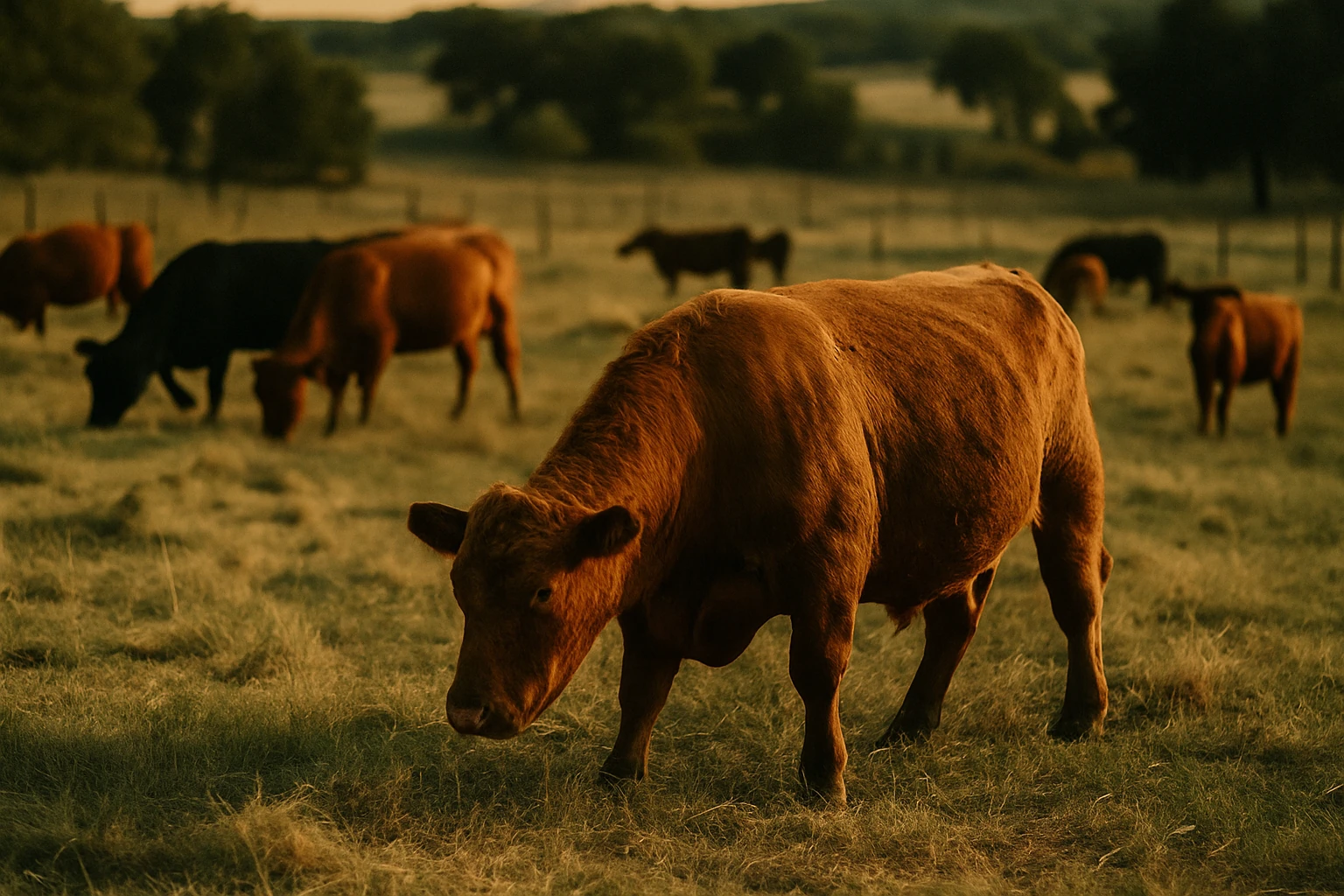
A Drovers report this week confirms what stocker operators and backgrounders have been whispering about for months: “feeder margins plunge to multi-year lows.” The data itself isn’t surprising—anyone watching board prices and input costs saw this coming. What matters now is whether this is a passing squeeze or the opening chapter of a longer, more painful adjustment in how the U.S. beef supply chain captures value.
The Math Doesn’t Lie, But the Timing Does
Feeder cattle have been caught in a vise. One reading of the current market is that calf prices remain supported while finished cattle futures face pressure—creating a margin compression that punishes the middle, the operators who take weaned calves and turn them into heavier feeders. When the spread between what you pay and what you sell narrows to razor-thin levels, every bushel of corn and every day on feed becomes a liability.
What makes this cycle noteworthy is the persistence. We’ve seen feeder margin squeezes before, but they’ve typically been short-lived—resolved by a quick rally in fat cattle or a collapse in calf prices. If neither safety valve opens this time, feeder operators could find themselves stuck in the middle of a supply chain that’s structurally out of balance, with limited room to maneuver on either the buy or sell side.
The Real Risk Is Silent Exits
When margins disappear, the immediate response is to tighten belts—defer equipment purchases, stretch pasture rotations, maybe skip a sale or two and hold cattle longer. But the more dangerous response happens quietly: operators simply exit. They don’t announce it. They don’t liquidate in one dramatic sale. They just stop replacing cattle, let leases expire, and redirect capital to enterprises that actually pencil. The beef industry has a long history of losing mid-sized operators this way, and each one that leaves shifts more risk onto the survivors and more concentration into the hands of the largest players.
The feeder sector is especially vulnerable because it’s where capital efficiency matters most. These operations don’t have the economies of scale that big feedlots enjoy, and they don’t have the land equity cushion that cow-calf producers can lean on during downturns. They live and die on margin, and when margin vanishes, so do they—often permanently.
What Procurement and Risk Managers Need to Watch
For procurement teams and feedlot managers, this isn’t just a market curiosity—it’s a forward signal. If feeder margins stay depressed, one plausible outcome is tighter availability of quality feeder cattle in coming months. Backgrounders who are losing money today won’t be eager to restock aggressively tomorrow, even if board prices improve. That sets up potential supply gaps and increased price volatility in the feeder complex.
Risk managers should also reconsider hedging strategies that assume historical spread relationships will hold. The old rules—where feeder and fed cattle prices moved in predictable tandem—may be breaking down. Basis risk is higher now, and blind reliance on futures to lock in margins could leave you exposed if local cash markets diverge from board expectations.
The Bottom Line
Feeder margin compression isn’t just a number on a profit tracker—it’s a pressure test for the industry’s capacity to retain mid-tier operators who provide flexibility and liquidity in the supply chain. The longer this lasts, the more permanent the damage becomes. Buyers who want predictable feeder supplies need to think beyond spot prices and start building relationships with backgrounders who can survive this. Because the ones who can’t won’t be around to answer the phone when demand rebounds.
Read the pillar
US Cattle Market Data