Why Ranch Working Dogs Matter More Than Weekend Trials
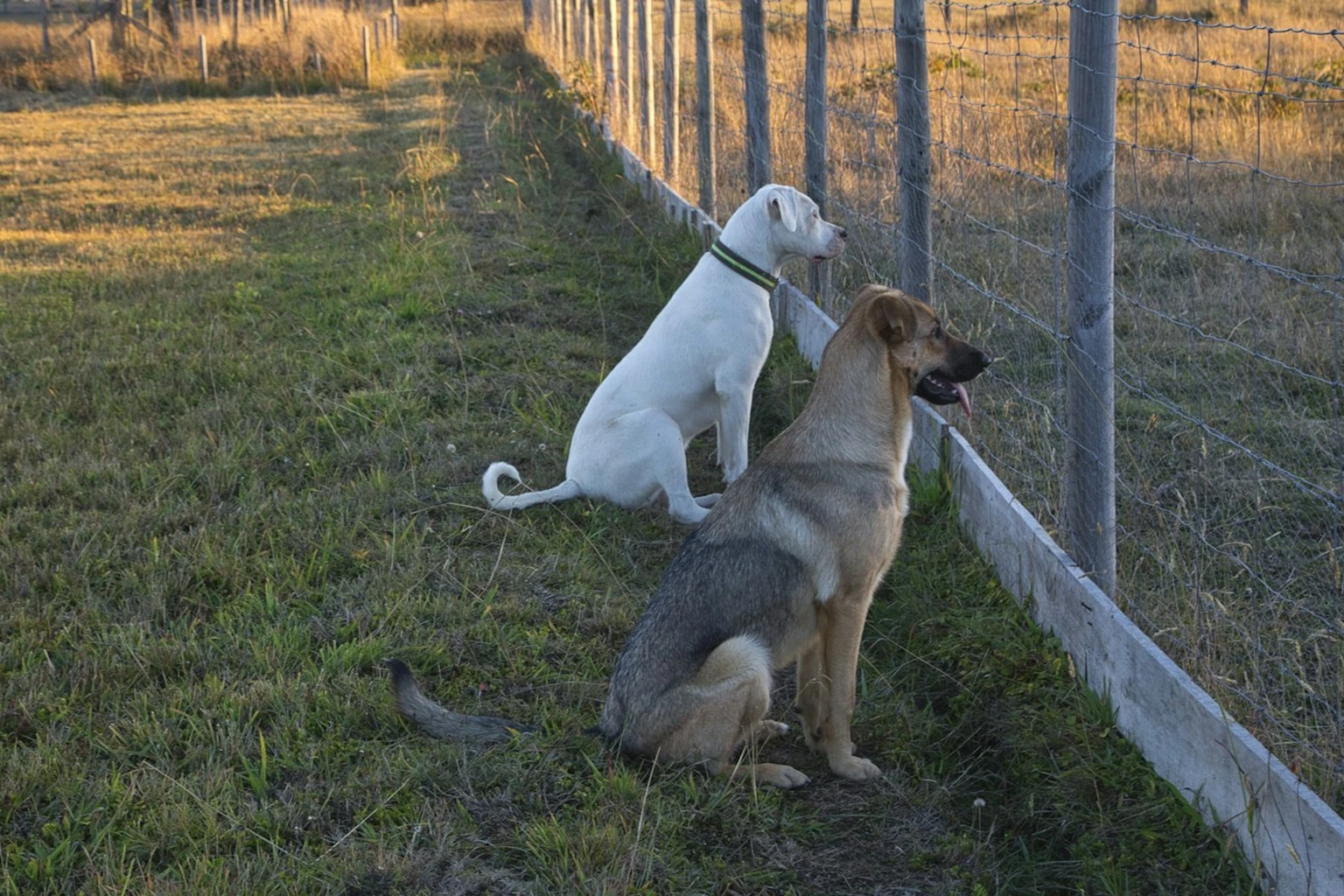
A Fence Post feature profiles a couple whose shared passion for stock dog trials fills their weekends — but the bigger story for commercial ranchers is how working dogs remain one of the most cost-effective labor investments in the cattle business, trial ribbons or not.
The Economics of Four-Legged Labor
Stock dog competitions spotlight skill and breeding, but the real value proposition sits back at the ranch. A trained border collie or Australian shepherd carries acquisition and training costs that look modest when compared against mechanized alternatives like side-by-sides, fuel budgets, and ongoing maintenance. The dog works for kibble and affection. It doesn’t blow a transmission or need liability insurance.
Operations running cow-calf pairs in rough country often find that good dogs stretch labor capacity during gathering and sorting operations. Dogs also access terrain machines can’t — steep draws, creek bottoms, brush too thick for an ATV. That matters when you’re pulling pairs out of summer pasture or moving stocker cattle through timbered sections. The labor-replacement value becomes particularly visible on ranches where hired help is scarce or expensive.
Genetic Preservation Beyond the Trial Circuit
The competitive circuit serves a purpose beyond trophies. Trials create selection pressure that preserves working instinct in breeding stock. Breeders who consistently trial their lines tend to maintain selection intensity for the traits ranchers actually need: biddability under pressure, stamina, and livestock sense that can’t be taught.
This matters as younger operators enter the business and seek reliable working-dog prospects. The proving ground that trials provide helps distinguish dogs bred for function from those selected primarily for appearance or temperament in non-working environments. That distinction carries operational value when a rancher needs a dog that can handle pressure and read livestock under real-world conditions.
The Risk Management Angle
Cattle moved quietly with dogs may experience different stress profiles compared to ATV- or helicopter-pressured gatherings. Some industry observers suggest that shipping performance and injury rates — both cattle and human — can benefit when animals flow naturally rather than being pushed mechanically. Stress-related carcass quality issues tied to handling practices can affect grid pricing and buyer relationships down the chain.
Dogs also reduce the chaos factor during high-risk operations like loading out or working cattle through tight alleys. A good header anticipates breaks before they happen. That split-second advantage prevents wrecks that bend panels, blow gates, or put people in the hospital. One prevented injury event can justify years of dog expenses.
The Practical Takeaway
Stock dog trials may look like weekend recreation, but they’re preserving working genetics that underpin real operational efficiency for commercial cattle operations. Ranchers evaluating labor and equipment budgets should calculate what trained dogs actually replace in terms of hired hours, fuel costs, and equipment depreciation. In a tightening labor market, treating dog work as core handling competency rather than optional skill makes sound business sense.
Read the pillar
US Cattle Market Data